
How Adding Backsplash Tile Can Increase Your Home’s Resale Appeal
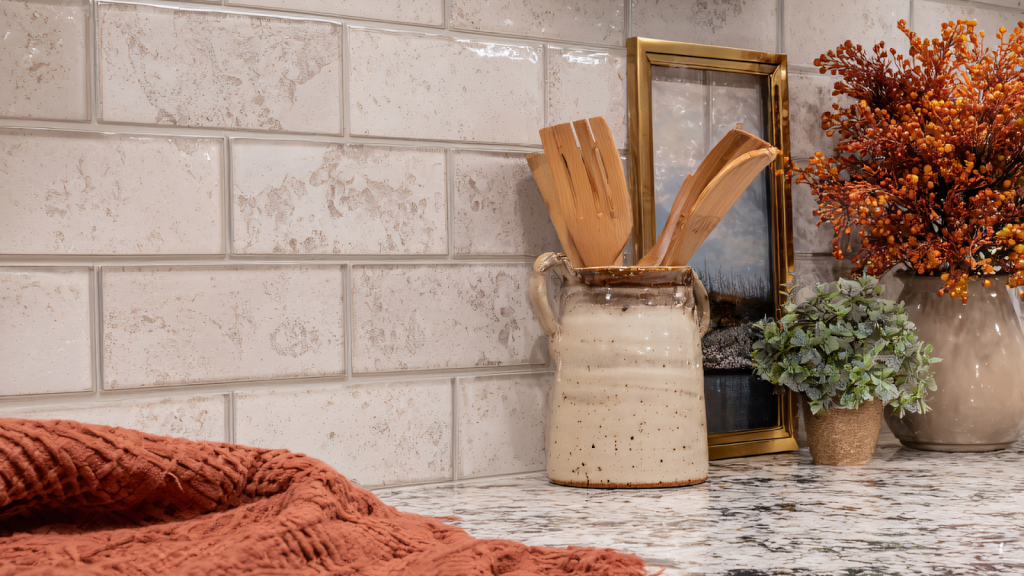
Selling your home? The kitchen renovation rabbit hole can swallow your budget whole before you know it. Here’s the thing, though, you don’t actually need to gut everything. The National Association of Realtors found that small kitchen tweaks give you back 70-80% of what you spend, and guess what sits right at the top?
Backsplash installations. This one change takes a tired, forgettable kitchen and turns it into something buyers can’t stop thinking about after they leave. We’re going to show you exactly how to pick and install backsplash updates that get you more money and faster offers.
The Impact of Backsplash Tile on Home Resale Value
Understanding what actually makes buyers pull the trigger changes your whole approach. The kitchen? It’s still where deals get made or broken, and every little detail here matters more than you think.
Today’s buyers start their hunt online, swiping through endless listings before they ever see your place in person. Your kitchen needs to pop in photos and grab attention immediately. When you’re thinking about updating your cooking space, checking out various backsplash tile designs at solid retailers helps you find stuff that photographs like a dream while keeping your wallet happy. The right pick creates that instant “I need to see this house” reaction in listing photos that gets you more showings and competing bids.
Real Estate Data: What Buyers Actually Pay For
Market numbers don’t lie—homes with updated backsplashes move faster than nearly identical properties stuck with outdated or nonexistent ones. We’re not talking about small differences here. Buyers see modern backsplashes and think “move-in ready,” which eliminates that annoying negotiation point that typically shaves thousands off your asking price.
Look at the math. Professional backsplash installation runs you $1,000-$3,000, depending on what materials you choose and how much wall space you’re covering. But it can add $3,000-$8,000 to what buyers think your home is worth. That ROI works anywhere.
Psychology of First Impressions in Kitchen Staging
Visual flow matters way more than most people selling homes ever realize. Potential buyers walk in, and their eyes naturally sweep upward along your walls. A dated or missing backsplash stops that flow dead and screams “deferred maintenance” for the entire property.
The Instagram effect? It’s real now. Buyers want spaces they can picture posting online, and a stylish backsplash delivers exactly that aspirational vibe. Call it superficial if you want—but it’s actually just understanding what drives buying decisions today.
Speed of Sale Advantages
Homes sporting contemporary backsplashes get offers 15-20% quicker than similar places without updates, according to the National Association of Home Builders. That reduced market time saves you carrying costs and avoids those price cuts that come when your listing sits too long.
Eliminating buyer objections matters just as much as highlighting cool features. Every outdated element hands buyers ammunition for lowball offers or demands for seller credits. Strategic updates like backsplashes keep negotiations focused on your home’s best qualities instead of its weaknesses.
Creating emotional connection through cohesive design makes buyers genuinely fall for your space. A smart backsplash choice ties your countertops, cabinets, and floors into one intentional design story that feels professionally curated, not randomly thrown together over the years.
Best Backsplash for Home Value: Material Comparison Guide
Understanding how different materials perform helps you make smart decisions, balancing budget, looks, and buyer appeal. Each material brings distinct advantages and limitations affecting your bottom line.
Ceramic vs. Porcelain Tile Performance
Durability ratings heavily favor porcelain. Porcelain’s denser composition resists chipping and moisture better than ceramic, making it perfect for active kitchens. Buyers recognize this distinction—maybe unconsciously—and perceive porcelain as a premium choice worth paying more for.
Price points reflect these quality differences. Ceramic typically runs $3-$8 per square foot, while porcelain ranges $5-$15. For backsplash applications, this difference adds up to a few hundred dollars—a worthy investment for the perceived value increase and actual longevity benefits.
Natural Stone Investment Analysis
Marble, granite, and travertine each offer different cost-benefit profiles. Marble commands the highest perceived luxury but requires the most maintenance. Granite provides excellent durability at a moderate cost. Travertine offers warmth and character at accessible price points.
Maintenance requirements strongly influence buyer perception. Properly sealed and maintained stone signals a well-cared-for home. Including sealing records and maintenance documentation with your listing reassures buyers they’re not inheriting deferred upkeep.
Geographic preferences vary significantly between urban and suburban markets. Urban buyers often embrace the patina natural stone develops, viewing it as character. Suburban buyers may prefer more uniform, pristine appearances that engineered materials provide consistently.
Glass Tile Considerations
Reflective properties make glass tiles particularly valuable in small kitchens. The light-bouncing effect visually expands cramped spaces, making them feel larger and brighter. This benefit photographs well in listings and registers immediately during showings.
Perceived luxury exceeds actual cost with glass tiles. While not necessarily cheaper than other premium options, glass reads as high-end to buyers. This perception gap works in sellers’ favor, delivering a luxury appearance at moderate investment levels.
Metal Tile Accents and Full Coverage
Stainless steel and copper options work beautifully in specific contexts. Metal tiles complement industrial and contemporary kitchens particularly well, but can feel cold or commercial in traditional spaces. Understanding your home’s style prevents mismatched choices that confuse rather than impress buyers.
Pairing strategies with other materials usually work better than full metal coverage. Using metal as accent bands or inserts within stone or ceramic fields provides sparkle without overwhelming warmth. This balanced approach maintains broad appeal while incorporating distinctive elements.
Engineered Quartz and Porcelain Slabs
Seamless look advantages position these materials at the premium end. Treating the backsplash as a continuous surface rather than individual tiles creates sleek, modern aesthetics appealing to design-forward buyers. Lack of grout lines also means less maintenance, which resonates strongly.
Growing buyer demand for low-maintenance options makes these materials increasingly valuable. Busy professionals and empty-nesters particularly appreciate surfaces that look impressive without demanding regular sealing or special cleaning products. Marketing this benefit explicitly in your listing captures this buyer segment effectively.
Cost-Effective Backsplash Tile Strategies for Sellers
Smart spending maximizes your return without unnecessary budget bloat. These strategies help you invest wisely based on your home’s value and target market.
Budget Allocation Based on Home Value
Spending recommendations should scale with property values. For $200K homes, aim for $800-$1,500 on backsplash updates.
$400K homes justify $1,500-$3,000 investments. $600K+ properties benefit from $3,000-$5,000+ budgets reflecting expected finish levels. These ratios maintain appropriate quality expectations for each price tier.
Knowing where to splurge and where to save optimizes budgets. Invest in premium materials for highly visible areas like the main wall between counters and cabinets. Use more economical options behind appliances or in less prominent zones where they won’t impact the overall impression.
DIY vs. Professional Installation Considerations
Poor DIY work actively hurts resale value. Uneven tiles, inconsistent grout lines, and lippage issues scream amateur installation to buyers. These red flags suggest overall home maintenance problems and provide negotiating ammunition, erasing any money saved by going DIY.
Professional installation costs typically run $40-$60 per square foot, including materials and labor. This investment protects your larger goal—maximizing